How to Freeze and Reheat Sourdough Bread
There’s something special about bringing home a beautiful loaf of sourdough from your local baker. Maybe you have plans for it alongside tonight’s dinner, or maybe you picked up an extra loaf because you know you’ll want some later. And if you’re anything like me, you want to make sure every last slice gets enjoyed!
The good news is that sourdough freezes beautifully. With a little care, you can pull a loaf out of the freezer, warm it in your own oven, and serve bread with a crisp crust, a soft interior, and that wonderful fresh-baked smell. Your guests will never guess it spent time in the freezer.
This is especially handy during the holidays. Whether you're hosting Thanksgiving dinner, bringing bread to a family gathering, or showing up at a friend's house with something delicious to share, you can plan ahead and serve wonderful bread.
The secret is knowing how to freeze it, how to warm it back up, and a few simple mistakes to avoid. Let's get started!

Why Freeze Sourdough Bread?
Good sourdough is worth savoring. But sometimes a loaf is more than you can eat in a few days. Freezing lets you enjoy some now and save the rest for later, without feeling like you have to rush through it before it goes stale.
Get ahead for the holidays
When you're preparing a big family meal, the last thing you need is another errand on your to-do list. Pick up your bread from your favorite local baker ahead of time, freeze it while it's fresh, and you'll have one less thing to worry about when the guests arrive.
Be ready to bring something special
Heading to a family gathering or dinner at a friend's house? A good loaf of sourdough is a thoughtful addition to the table. Keep one in the freezer, and you'll be ready to bring something delicious even when plans come together at the last minute.
Enjoy fresh-tasting bread whenever you want it
Maybe you want sourdough with your soup on a chilly evening, a slice of toast with breakfast, or fresh bread alongside a weekend dinner. Freezing gives you the flexibility to enjoy it on your schedule.
And here's the part I really want you to know: you don't have to settle for mediocre bread just because it came out of the freezer. Properly frozen and reheated sourdough can be remarkably close to fresh-baked bread. Warm it in the oven, and that crisp crust and soft interior come back to life beautifully.

How to Freeze Sourdough Bread
The most important rule is simple: freeze your bread while it's still fresh. Freezing preserves the bread's condition; it won't reverse staleness that's already set in.
You can freeze the bread whole or slice it first, depending on how you plan to use it.
Option 1: Freeze a Whole Loaf
This is my favorite option when you want to serve sourdough at a family dinner or holiday gathering. You can warm the loaf in the oven and bring it to the table looking and smelling wonderful.
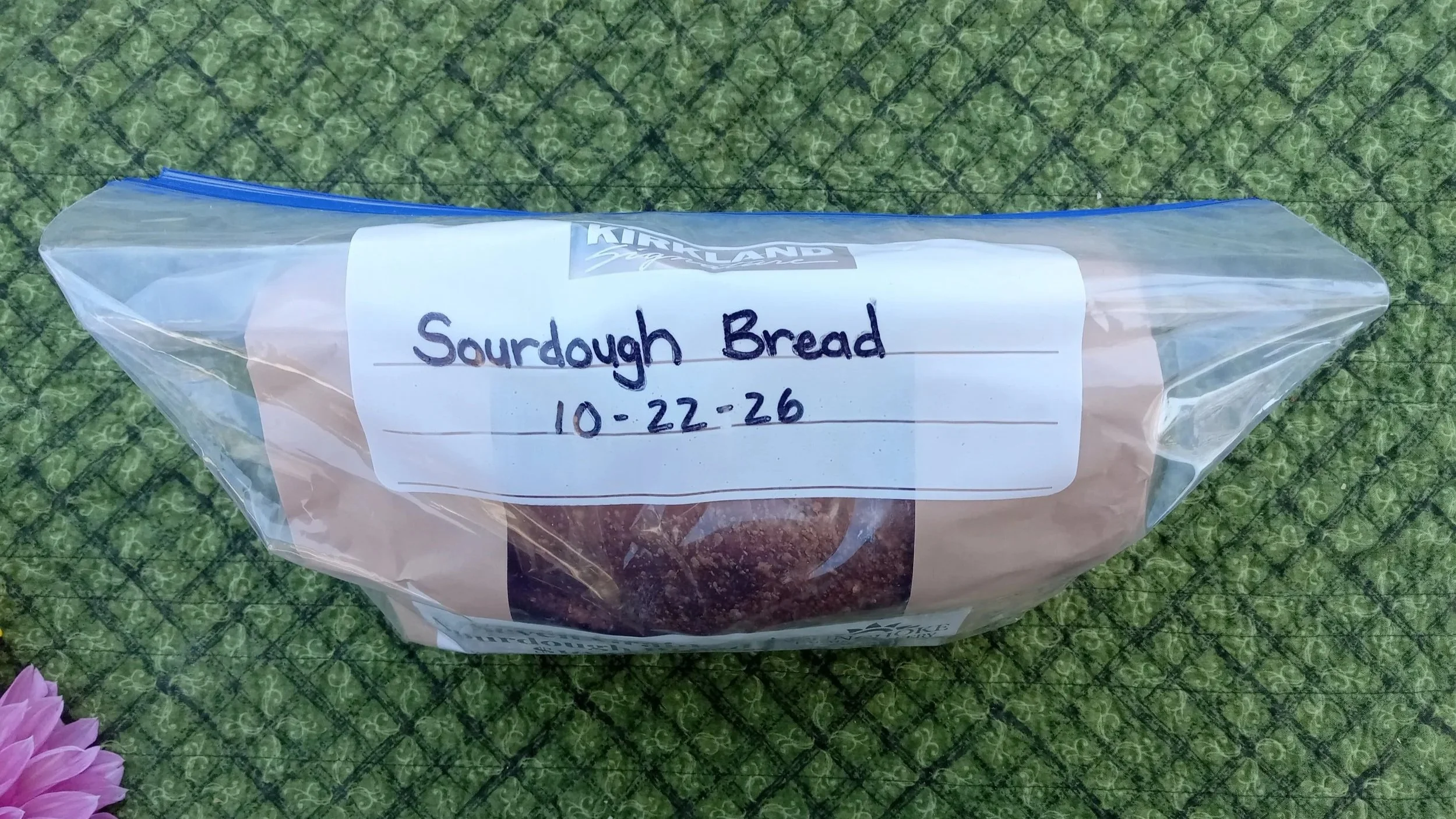
Wrap it tightly. Use plastic wrap or a freezer bag, removing as much air as possible.
Label it with the date. This makes it easier to keep track of what's in your freezer.
Freeze it promptly. Put the wrapped loaf in the freezer while it's still fresh.
For the best flavor and texture, aim to use your frozen sourdough within about three months. It may remain safe to eat longer if kept continuously frozen, but quality can gradually decline.
Planning for a holiday meal? Buy your bread a few days or even a couple of weeks ahead, freeze it while fresh, and save yourself one more thing to do during the holiday rush.
Option 2: Freeze Sourdough Slices
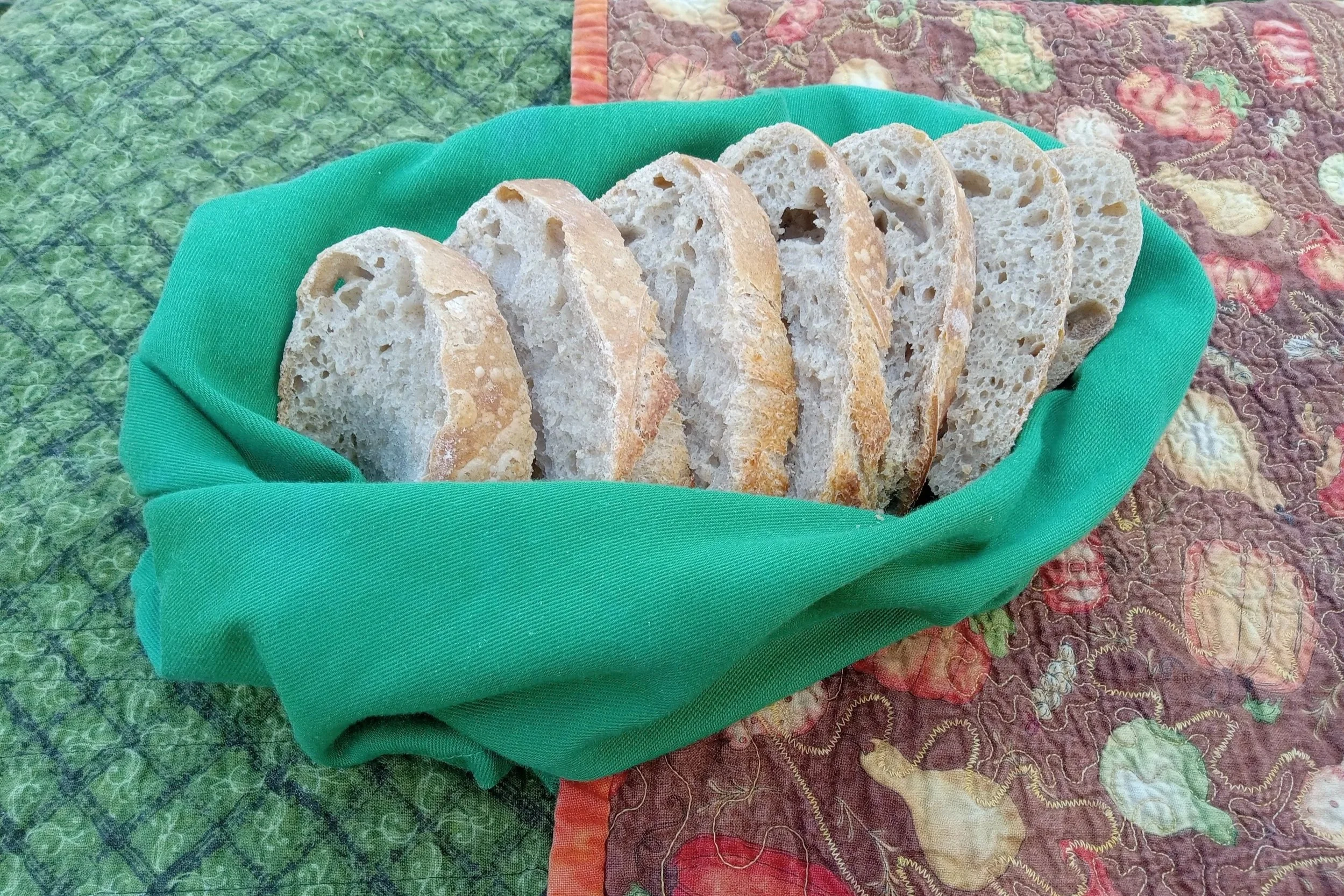
If you mostly enjoy sourdough for breakfast, sandwiches, or smaller meals, freezing individual slices makes life easy.
Slice the bread. Cut it to your preferred thickness. If you've purchased a whole loaf, slice it before freezing so you can take out only what you need.
Separate the slices. If you want to be able to remove individual slices easily, arrange them in a single layer on a baking sheet and freeze until firm, usually an hour or two.
Package the slices. Transfer them to a freezer-safe bag or airtight container, pressing out as much air as possible.
Return them to the freezer. Keep them sealed until you're ready to use them.
If you plan to use several slices at a time, you can skip the initial baking-sheet step and put them directly into a freezer bag. Just keep in mind that the slices may stick together.
How to Defrost and Reheat Sourdough Bread
Here's where the magic happens! You don't need special equipment or complicated techniques. A regular home oven does a wonderful job of bringing a whole loaf back to life, while a toaster is perfect for individual slices.
How to Reheat a Whole Loaf
If you're serving bread to family or guests, reheating a whole loaf in the oven is the way to go. It gives you that lovely crisp crust and warm, soft center that make fresh sourdough so enjoyable.
Method 1: Thaw first, then warm
Remove the loaf from the freezer. Let it thaw at room temperature, still wrapped if you like, until fully thawed. This usually takes a few hours, depending on the size of the loaf.
Preheat your oven to 325–350°F.
Unwrap the bread completely. Make sure no plastic or freezer packaging remains.
Warm the loaf for about 10–15 minutes. Place it directly on the oven rack or on a baking sheet.
Let it rest for a few minutes before slicing. Then bring it to the table and enjoy!
For a crisper crust, lightly dampen the outside of the loaf with a little water before placing it in the oven. You want to moisten the crust, not soak the bread.
Method 2: Go straight from freezer to oven
Forgot to thaw your bread ahead of time? Don't worry. You can warm a whole frozen loaf directly in the oven.
Preheat your oven to 325–350°F.
Remove all freezer packaging.
Lightly dampen the outside of the loaf with water if you'd like a crisp crust.
Place the loaf in the oven for approximately 20–30 minutes, adjusting for its size.
Check that the center has thawed and warmed through before serving.
The timing may vary, so give yourself a little extra time when serving guests.
My advice for holiday meals: Try this method once before the big day if you're unfamiliar with reheating your favorite loaf. That way, you'll know how much time to allow and can focus on enjoying your company instead of worrying about the bread.
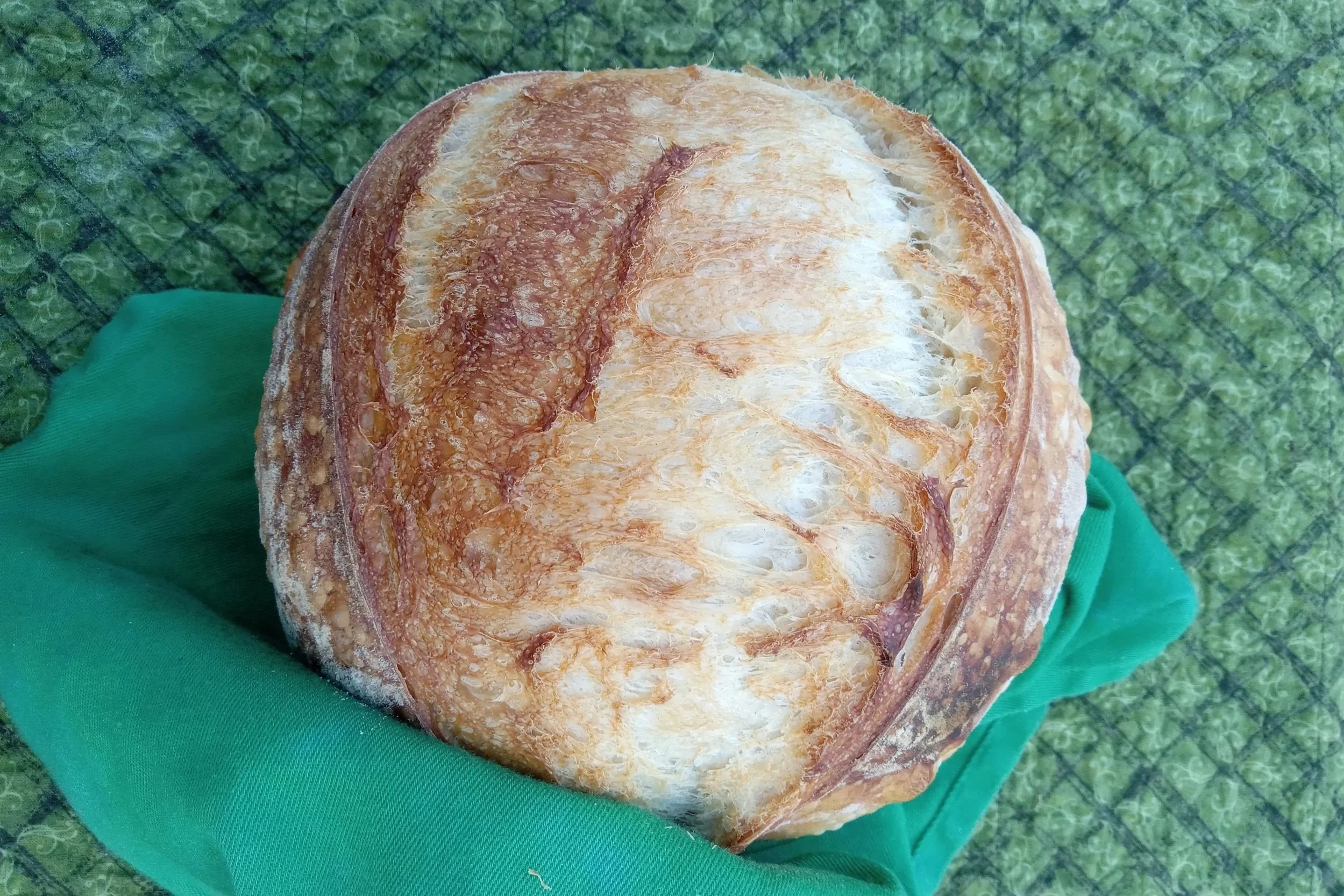
The result can be wonderful: a crisp crust, a soft and chewy interior, and the smell of fresh bread filling your kitchen.
How to Reheat Frozen Sourdough Slices
Frozen slices are even easier to manage.
For toast: Put the slices straight into your toaster from the freezer. You may need a slightly longer cycle than usual. Adjust the setting to your liking, and you'll have delicious toast without waiting for the bread to thaw.
For sandwiches or grilled cheese: You can thaw the slices at room temperature or use them directly from the freezer, allowing a little extra cooking time if needed.
For everyday breakfasts and lunches, there's no need to thaw individual slices in advance. Just take out what you need.
Mistakes to Avoid When Freezing and Reheating Sourdough
A few small details can make the difference between bread that tastes wonderful and bread that's dry or disappointing.
1. Waiting until the bread is stale to freeze it.
Freeze your bread while it's still fresh. Freezing preserves its condition, so don't wait until the loaf has been sitting on the counter for several days.
2. Leaving too much air in the packaging.
Air exposure can dry out the bread and cause freezer burn. Wrap the loaf snugly or use a well-sealed freezer bag, removing as much air as possible.
3. Forgetting that slices need protection, too.
Sliced bread has more exposed surface area, so it can dry out more easily. Store slices in airtight, freezer-safe package.
4. Using the microwave as your main reheating method.
A microwave can make bread soft and hot at first, but the texture may quickly turn rubbery or tough as it cools. For a whole loaf, use the oven. For slices, the toaster is your best bet.
5. Not allowing enough time to warm a whole loaf.
The crust may feel warm before the center has thawed completely. Larger loaves need more time, especially when reheated straight from frozen. When you're serving guests, allow a little extra time rather than trying to rush the process.
6. Expecting frozen bread to last forever at its best.
For the best flavor and texture, aim to use frozen sourdough within about three months. Good wrapping and a consistent freezer temperature help protect its quality.
Serve Good Bread With Confidence
One of the simplest pleasures of a good meal is sharing good bread. It belongs alongside a bowl of soup on a cold evening, in the middle of a holiday table surrounded by family, or in a basket passed around among friends.
And you don't have to buy your bread the morning of your gathering to make that happen.
The next time you bring home a loaf from your favorite local baker, consider picking up an extra one for the freezer. Keep it whole for a special dinner, or slice it up for easy breakfasts throughout the week. When you're ready to enjoy it, a little time in the oven or toaster is all it takes to bring it back to life.
You'll have one less thing to worry about when company comes, and you'll still get to serve bread you're proud to share.
Good bread is meant to be enjoyed, not rushed. Freeze it while it's fresh, warm it with care, and enjoy that fresh-baked experience whenever you need it.